By Michelle Gellis AP LAc DiplAc
Facial acupuncture has evolved far beyond a single technique or protocol. Today, practitioners may combine cosmetic facial acupuncture, neuromuscular facial acupuncture, facial cupping, gua sha, microneedling, red light therapy, motor point needling, and submuscular needling.
With so many options available, the question is no longer what can be done to the face.
The real question is what should be layered, when to layer it, and why.
After decades of treating the face—both cosmetically and neurologically—I’ve found that the most consistent results come not from doing everything, but from intentionally layering techniques. Effective facial treatments rely on clinical reasoning, tissue assessment, and timing—not accumulation.
Facial Acupuncture as the Clinical Foundation
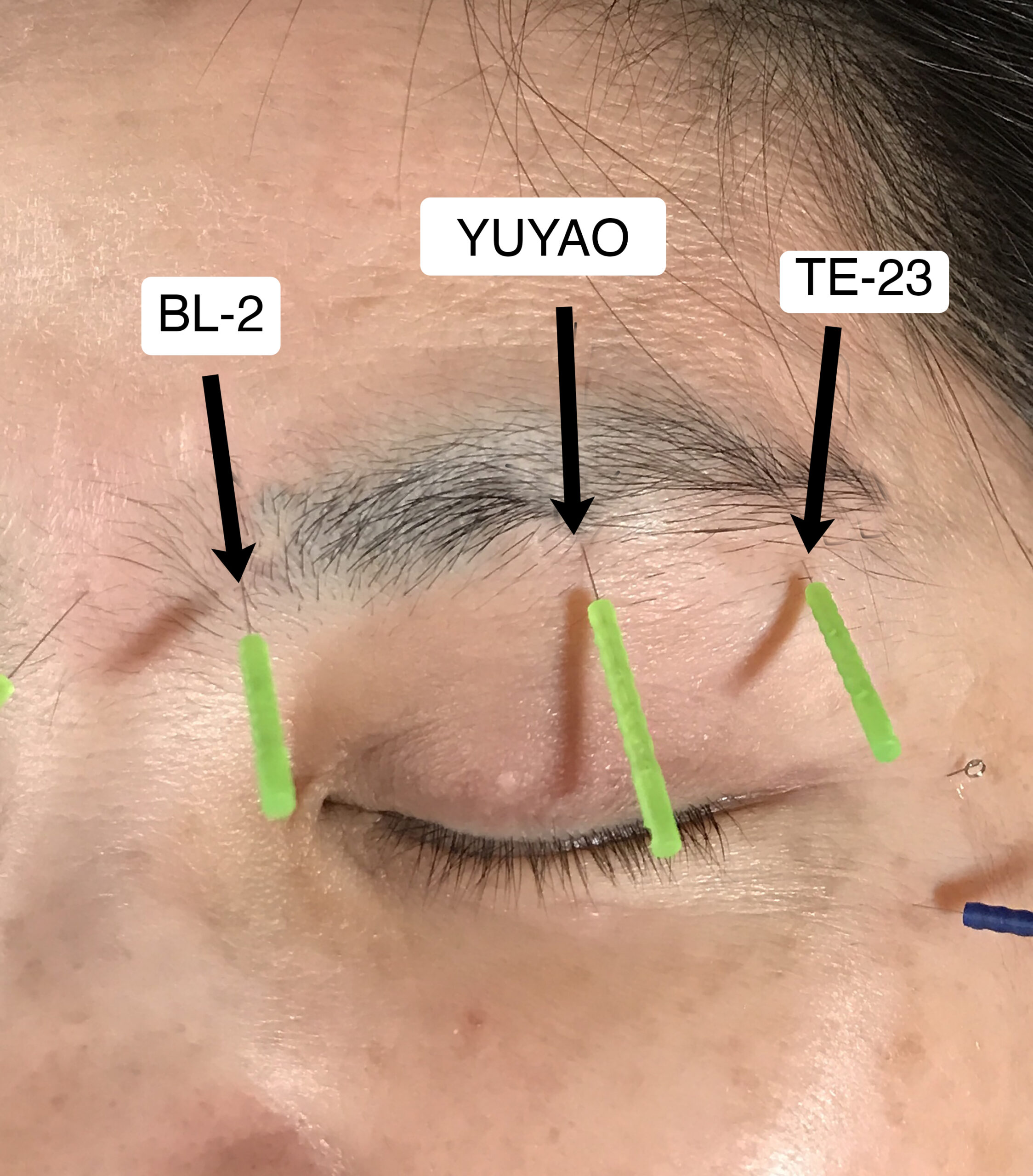
Facial acupuncture provides the foundation for most facial treatments. When performed skillfully, it influences circulation, fascia, muscle tone, nerve signaling, and overall systemic balance. Many patients experience meaningful improvements in skin quality, facial expression, and neuromuscular function from facial acupuncture alone.
However, facial acupuncture is not one-size-fits-all.
Cosmetic vs. Neuromuscular Facial Acupuncture
Understanding the difference between cosmetic and neuromuscular facial acupuncture is essential when deciding how to layer techniques.
Cosmetic facial acupuncture commonly addresses:
- Skin tone, texture, and circulation
- Fascial elasticity and collagen signaling
- Habitual facial expression patterns resulting in wrinkles and sagging
Neuromuscular facial acupuncture focuses on:
- Motor nerve signaling and recovery
- Muscle recruitment, inhibition, and coordination
- Compensation patterns following injury or paralysis
When these goals are not clearly differentiated, treatments may plateau or produce inconsistent results.
Layering Facial Cupping, Gua Sha, and Red Light Therapy
Facial cupping and gua sha are excellent supportive modalities when circulation, lymphatic stagnation, or superficial fascial restriction are contributing factors. These techniques can help prepare tissue, improve glide, and enhance responsiveness to acupuncture.
They are often most effective:
- After acupuncture to reduce inflammation and enhance treatment
- Between treatments to maintain circulation
- To drain lymph and break up fascial adhesions
Red light therapy adds another layer of support by influencing mitochondrial activity and cellular signaling. In facial treatments, red and near-infrared light may:
- Support tissue repair and recovery
- Reduce inflammation
- Improve neuromuscular integration
- Complement cosmetic acupuncture outcomes
These modalities are most effective when they support a clearly defined treatment goal rather than being added automatically.
Microneedling as a Standalone Therapy—or Strategic Addition

Microneedling occupies a unique role in facial treatments. Unlike cupping or gua sha, microneedling is typically done as a standalone therapy, particularly when addressing:
- Acne scarring
- Skin texture irregularities
- Pigmentation concerns
- Collagen remodeling
- Fine lines and wrinkles
In cosmetic cases, microneedling may be the primary skin-level intervention, with facial acupuncture used for deeper treatments such as sagging and motor issues.
However, microneedling is not always appropriate to layer immediately. In neuromuscular facial conditions or highly sensitive tissue states, introducing microneedling too early may overwhelm the system or interfere with motor retraining.
When to Add Motor Points and Submuscular Needling
Advanced techniques such as motor point needling and submuscular needling can significantly influence facial outcomes—but only when used with discernment.
Motor points are especially effective for:
- Habitual facial tension
- Synkinesis and hypertonicity
- Expression pattern retraining
They should be used selectively. In some cases, muscles are compensating for deeper dysfunction, and premature motor point needling may destabilize progress.
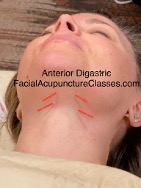
Submuscular Needling
Submuscular needling allows access to deeper layers of restriction and can support long-term neuromuscular change. This technique is best introduced:
- After patterns are clearly identified
- When superficial work is insufficient
- With a strong anatomical understanding
A Clinical Framework for Layering Facial Therapies
Instead of asking “What technique should I add?”, consider asking:
- What tissue is primary—skin, fascia, muscle, or nerve?
- Is the goal cosmetic, neuromuscular, or both?
- Is the issue tone, signaling, circulation, structure, or habit?
- Will this modality simplify the pattern—or complicate it?
This framework supports intentional layering and reduces guesswork.
Teaching Discernment in Facial Acupuncture
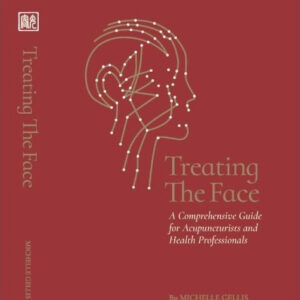
This approach to facial acupuncture—layering techniques based on clinical indication rather than trend—is explored in depth in Treating the Face: A Comprehensive Guide for Acupuncturists and Health Professionals. The book integrates cosmetic and neuromuscular facial acupuncture with anatomy, advanced techniques, and adjunctive therapies within a clinical decision-making model.
I also teach this methodology in my live and recorded facial acupuncture classes, including advanced programs focused on neuromuscular facial conditions using a multifaceted approach.
Less Guesswork. Better Facial Acupuncture Results.
Facial treatments work best when they are built thoughtfully. Layering techniques is not about doing more—it’s about doing what is appropriate, in the correct sequence, for the right reason.
When facial acupuncture is practiced this way, outcomes become clearer, more consistent, and more sustainable.
Learn more about upcoming classes, courses, and clinical resources at:
→ FacialAcupunctureClasses.com