By Michelle Gellis AP
Post-Shingles Discoloration: How LED Therapy Helps Fade Dark Spots
Post-shingles discoloration can last for months after the rash has healed, but LED therapy offers a gentle, evidence-supported way to fade these dark spots. Different wavelengths—especially red, yellow, and green—can help improve pigmentation, calm inflammation, and restore skin clarity.
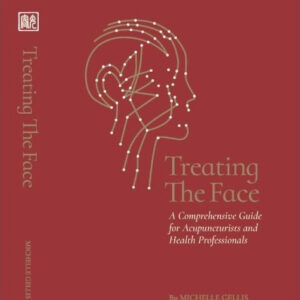
Shingles can leave behind more than just discomfort. Even after the rash has fully healed, many patients experience lingering discoloration—dark patches, uneven tone, residual redness, or textural changes that can last for months. LED light therapy is a gentle, noninvasive treatment that supports cosmetic recovery and helps restore clarity and balance to the skin. As I discuss in my book, Treating the Face: A Comprehensive Guide for Acupuncturists and Health Professionals, LED wavelengths work at the cellular level to calm inflammation, improve tissue repair, and reduce pigment changes commonly seen after shingles.
 How LED Therapy Helps Post-Shingles Discoloration
After the skin re-epithelializes, melanocytes (pigment-producing cells) often remain overactive due to inflammation. This can lead to post-inflammatory hyperpigmentation or blotchy, uneven tone. LED therapy helps regulate this process without irritating the skin—making it ideal for post-shingles care once the skin is fully healed.
Red Light (630–670 nm): Repair, Circulation, and Brightening
Red light is the most important wavelength for post-shingles discoloration. Multiple studies show that red LED therapy reduces inflammatory signaling, increases microcirculation, and stimulates fibroblast activity to support tissue repair.
A 2017 review in Seminars in Cutaneous Medicine and Surgery found that red light enhances mitochondrial function and accelerates recovery in damaged skin. This translates to improved tone, reduced blotchiness, and a healthier overall complexion.
Yellow/Amber Light (560–590 nm): Redness Reduction and Brightening
Yellow light is especially useful for persistent redness and uneven pigmentation. It is frequently used in dermatology for erythema, rosacea, and post-inflammatory redness. Studies have shown that wavelengths in this range help regulate vascular activity and improve lymphatic flow, allowing discoloration to fade more quickly. For patients whose shingles healed with both redness and hyperpigmentation, yellow light is an essential part of LED care.
Green Light (520–540 nm): Pigment Control
Green light has shown the ability to reduce excess melanin production and diminish the appearance of dark spots. While it is not as powerful as red or yellow light, it is an excellent supplemental wavelength. It provides calming, balancing effects for sensitive skin—ideal for post-shingles areas that may still feel reactive.
Near-Infrared Light (810–850 nm): Deep Tissue Recovery
Near-infrared (NIR) light penetrates more deeply than any visible wavelength and is not visible to the naked eye. Research in Photomedicine and Laser Surgery demonstrates that NIR supports deeper tissue repair, reduces inflammation, and improves circulation at a level not reached by visible light. For patients with lingering tenderness or subtle nerve irritation after shingles, NIR can be particularly soothing and supportive. For skin discoloration, NIR LED therapy is useful post-shingles.
Using LED Devices at Home
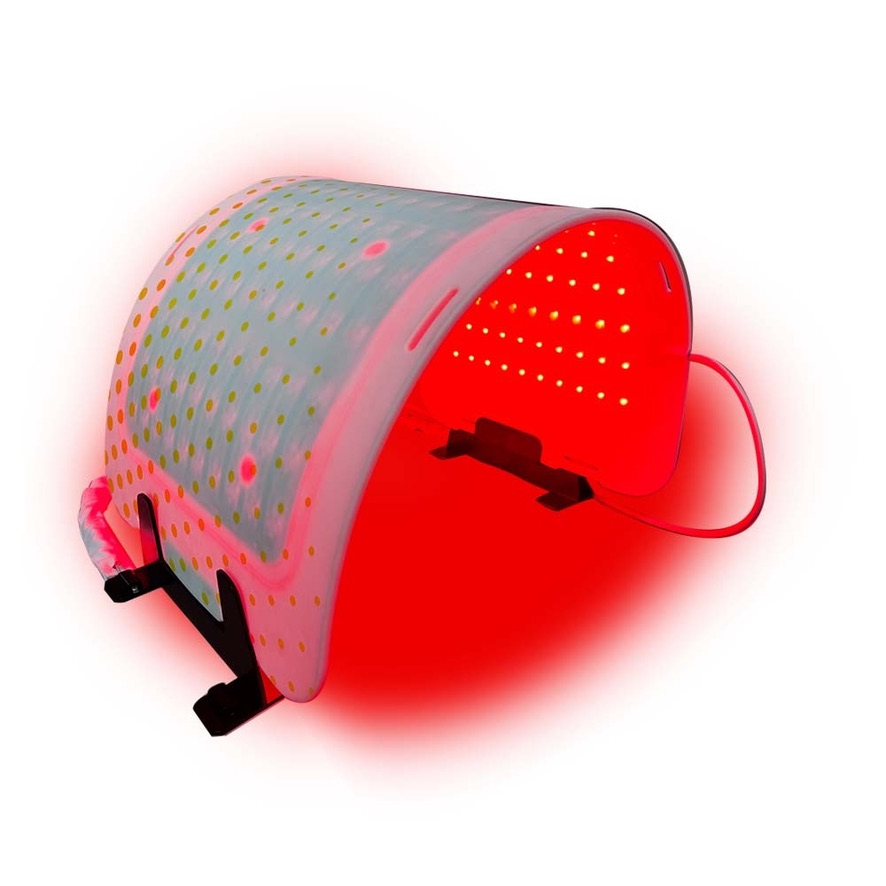
For home use, I recommend devices that offer red, yellow, green, and near-infrared options, such as the AcuLuma Face and Neck LED system. Treatments are typically done 3–5 times weekly for best results.
LED therapy offers a safe, gentle, and effective way to reduce post-shingles discoloration and restore confidence in the skin. With consistent use and the right wavelengths, patients can experience meaningful improvement in tone, radiance, and overall skin harmony.