Submuscular needling is an advanced acupuncture technique that targets the deeper muscular and fascial layers of the face and neck, rather than focusing solely on the superficial dermis. While many cosmetic approaches emphasize skin-level stimulation, this method works at the level where chronic tension patterns, motor dysfunction, and structural changes originate.
For practitioners who want to improve outcomes—particularly in hard-to-treat cases—submuscular needling offers a meaningful and clinically relevant expansion of what facial acupuncture can accomplish.
What Is Submuscular Needling?
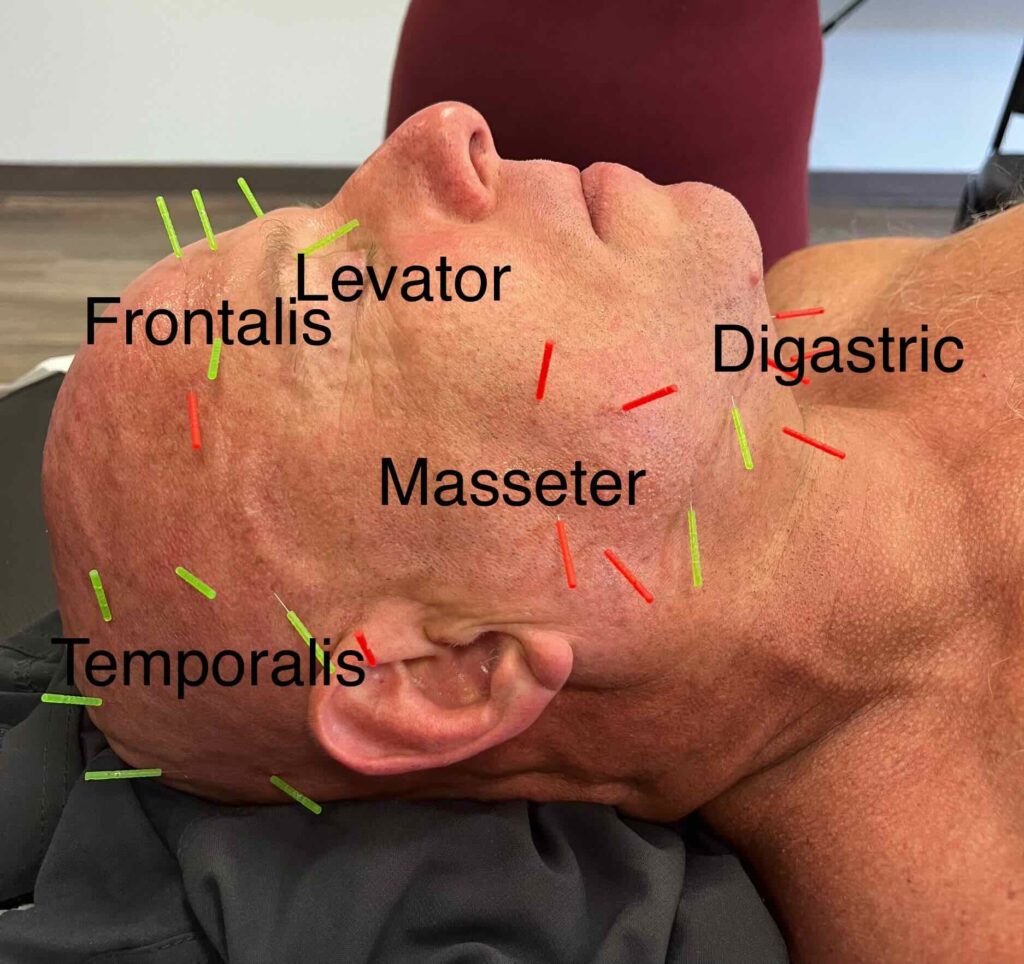
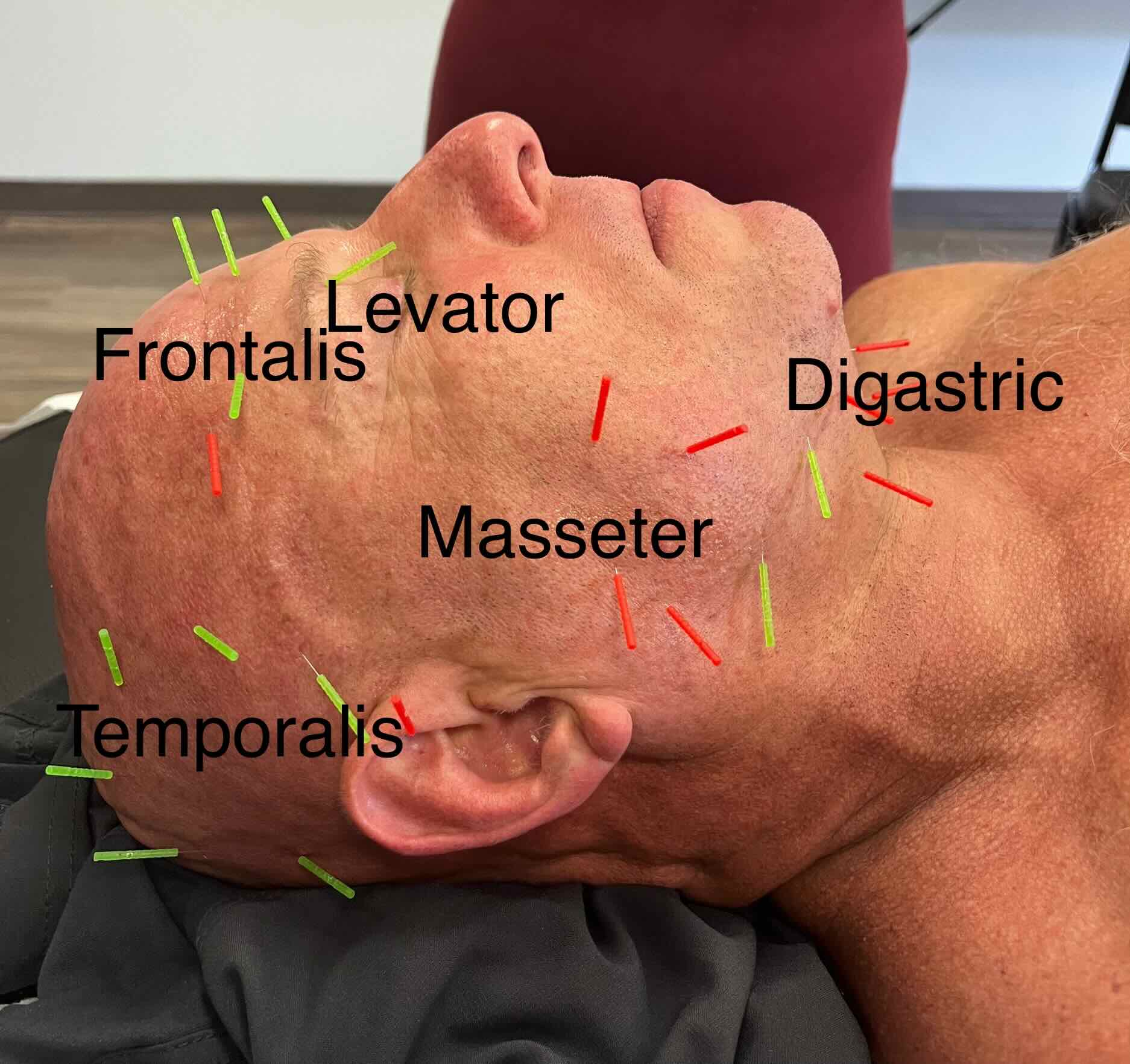
Submuscular needling involves inserting acupuncture needles beneath the superficial muscle layer, often engaging facial and cervical motor points, muscle attachments, and deeper fascial planes.
Rather than simply increasing circulation at the surface, this technique is designed to:
- Release entrenched muscular tension
- Restore balanced muscle tone
- Improve neuromuscular signaling
- Address compensatory patterns that contribute to asymmetry and dysfunction
In practice, submuscular needling is frequently combined with motor point therapy, allowing the practitioner to directly influence how muscles contract, relax, and coordinate.
In my classes, I teach a structured, step-by-step approach to safely and effectively access these deeper layers. This is not simply a variation of standard facial acupuncture—it is a distinct technique that requires precision, anatomical understanding, and clinical intention. It is also something unique that I teach as part of my comprehensive facial acupuncture training.
Why This Matters in Hard-to-Treat Cases
Many practitioners encounter patients who plateau with standard facial acupuncture protocols. These cases often include:
- Chronic facial tension that does not resolve
- Persistent asymmetry
- Long-standing expression lines that quickly return
- Neuromuscular conditions with incomplete recovery
These are not superficial issues. They are typically driven by deep, habitual patterns within the musculature and nervous system.
Submuscular needling allows you to work at the level where these patterns are held.
Clinical Impact in Challenging Presentations
By engaging deeper structures, practitioners can:
- Interrupt chronic contraction patterns that superficial needling cannot reach
- Re-educate muscle function through motor point stimulation
- Improve outcomes in cases that have stalled or only partially responded
This is particularly relevant for conditions such as:
- Bell’s palsy and post-viral facial weakness
- Hemifacial spasm and facial tics
- TMJ-related muscular imbalance
- Post-stroke facial asymmetry
- Long-standing cosmetic concerns rooted in habitual expression
In these cases, submuscular needling often becomes the missing link between partial improvement and meaningful clinical change.
This is one of the reasons I emphasize this technique so strongly in my teaching. Many practitioners have not been trained to work at this level, and once they begin incorporating submuscular needling into their treatments, they often see a noticeable shift in patient outcomes—especially in more complex cases.
The Neck: An Overlooked but Essential Component
One of the most under-treated areas in facial acupuncture is the neck, specifically the platysma muscle.
The platysma plays a significant role in:
- Jawline definition
- Lower face tension
- Downward pull on the cheeks and mouth
- Formation of vertical neck bands
Why the Platysma Matters
The platysma is a thin, broad, superficial muscle—but its influence is profound. Chronic tension or overactivity in this muscle can contribute to:
- Sagging along the jawline
- Deepening of marionette lines
- A “pulled-down” appearance of the lower face
- Visible neck banding
Superficial techniques alone are often insufficient to address these patterns.
Submuscular Needling of the Platysma
Working submuscularly in the neck allows the practitioner to:
- Release tension within the platysma and its attachments
- Reduce downward drag on the lower face
- Improve tone and contour of the jawline and neck
- Support more balanced interaction between facial and cervical muscles
This is especially important because the face and neck function as a continuous structural and functional unit. Treating the face without addressing the neck often limits results.
In my classes, I specifically teach how to approach the neck and platysma in a way that is both safe and clinically effective, integrating it into a full facial protocol rather than treating it as an afterthought. This is another area where practitioners often see immediate value, as the neck is frequently overlooked in traditional training.
Beyond Surface-Level Treatment
Many aesthetic treatments focus on improving the appearance of the skin—enhancing glow, texture, and collagen production. While valuable, these approaches do not address the underlying drivers of facial change.
Facial aging and dysfunction are often rooted in:
- Repetitive muscular contraction
- Fascial restriction
- Neuromuscular imbalance
- Long-held emotional expression patterns
Submuscular needling shifts the focus from treating the symptom to treating the source.
Integration Into a Comprehensive Protocol
Submuscular needling is most effective when integrated into a layered treatment approach. In clinical practice, this may include:
- Facial acupuncture to support systemic balance and circulation
- Red light therapy during needle retention
- Post-treatment facial cupping and gua sha to:
- Reduce swelling and bruising
- Encourage lymphatic drainage
- Release superficial fascial adhesions
- Promote relaxation
This sequencing allows you to address both deep structural patterns and superficial tissue quality, resulting in more complete and longer-lasting outcomes.
A More Complete Way to Treat the Face
Submuscular needling reflects a shift in perspective—from treating isolated concerns to understanding the face and neck as a dynamic neuromuscular system.
It recognizes that:
- Facial appearance is shaped by underlying muscle function
- Expression patterns are both physical and emotional
- Lasting results require addressing structure, function, and circulation together
This approach aligns closely with Traditional Chinese Medicine principles, in which the face reflects the state of the Qi, Blood, and internal organ systems, as well as the Shen.
Why Incorporate Submuscular Needling Into Your Practice?
Practitioners who incorporate this technique often find that it allows them to:
- Achieve better results in complex or resistant cases
- Improve outcomes in both cosmetic and neuromuscular conditions
- Address the neck and lower face more effectively
- Offer a more comprehensive and differentiated treatment approach
Perhaps most importantly, it expands your ability to help patients who have not fully responded to conventional techniques.
Final Thoughts
Submuscular needling is not simply an advanced add-on—it is a deeper, more precise way of working.
By addressing the muscular and fascial layers beneath the surface, you can:
- Resolve patterns that drive chronic tension and asymmetry
- Improve function in challenging neuromuscular cases
- Enhance the appearance and structure of the face and neck
It is also a technique that requires proper training and clinical understanding. In my teaching, I focus on giving practitioners the tools and confidence to apply it safely and effectively—because when done correctly, it can significantly elevate both your results and your practice.
If you’d like to learn this technique in a structured, hands-on way, I teach submuscular needling as part of my advanced facial acupuncture courses and recorded webinars. These programs are designed to help you feel confident working at a deeper level and applying these methods immediately in practice. You can explore upcoming classes and online trainings at FacialAcupunctureClasses.com.